Discover Uganda on a Budget: Top Destinations That Won’t Break the Bank
http:
Sarah Kalibbala
Destination
20/May/2025
article Information
Title:
Discover Uganda on a Budget: Top Destinations That Won’t Break the Bank
Description:
Uganda, known as The Pearl of Africa, is a land of dramatic landscapes, vibrant culture, and unforgettable wildlife experiences. While it’s often seen as a high-end destination, there are plenty of ways to explore Uganda affordably—without sacrificing quality or adventure.
Whether you're a solo traveler, couple, group, or family, here are three of the best budget-friendly destinations to explore while getting the most value from your trip.
1. Entebbe – A Calm and Welcoming Introduction to Uganda
Located just outside the capital, Entebbe offers a relaxed atmosphere, lakeside charm, and affordable options for accommodation and activities.
Budget Tips:
Accommodation: Clean, comfortable guesthouses from $20–$25 per night.
Transport: Use Uber or safe local boda-bodas for $10–$20 per trip.
Things to Do:
Explore the Botanical Gardens
Visit Uganda Wildlife Education Centre (UWEC)
Relax on the beaches of Lake Victoria
Enjoy shopping, dining, and entertainment at Victoria Mall
Unwind with a spa or golf session at Lake Victoria Hotel
2. Jinja – Uganda’s Adventure Capital
About 80 km east of Kampala, Jinja is the starting point of the Nile and a haven for thrill-seekers and culture lovers.
Budget Tips:
Transport: Public taxis from Kampala to Jinja cost around $5.
Accommodation: Guesthouses and hostels start at $20–$30 per night.
Activities:
White-water rafting, quad biking, bungee jumping
Source of the Nile boat tours
Cultural visits and community walks
Local and international dining (try a rolex for under $1!)
Exciting nightlife with live music and affordable drinks
3. Bwindi Impenetrable National Park – An Iconic Wilderness Experience
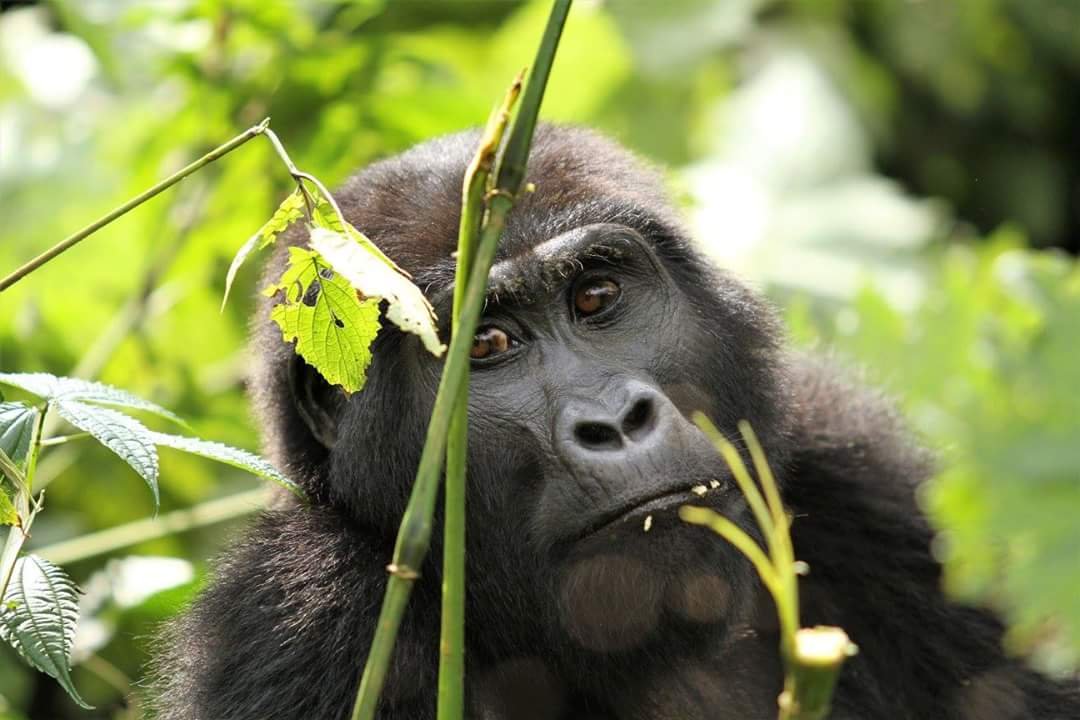
While gorilla trekking is a premium activity, Bwindi offers a range of experiences suitable for budget-conscious travelers.
Travel: Buses from Kampala to Buhoma/Kisoro cost $25–$30.
Accommodation: Budget lodges start at $30 with meals from $5–$15.
Other Activities:
Nature and forest walks
Birdwatching and primate tracking
Cultural experiences with the Batwa community
Affordable guided hikes and scenic tours
Experience Uganda with a Trusted Local Expert
As a locally owned sightseeing company, we specialize in creating enriching, affordable, and authentic Ugandan experiences. Whether you’re planning your first visit or returning for more, we’re here to make your journey seamless, exciting, and unforgettable
Article Link:
http:
Author:
Sarah
Kalibbala
Category:
Destination
Status:
ACTIVE
Update article Information
Delete article
Confirm if you want to delete this article
2
Mabamba Swamp
Sarah Kalibbala
Destination
24/May/2025
article Information
Title:
Mabamba Swamp
Description:
Mabamba Swamp and the Shoebill: King of the Marshes
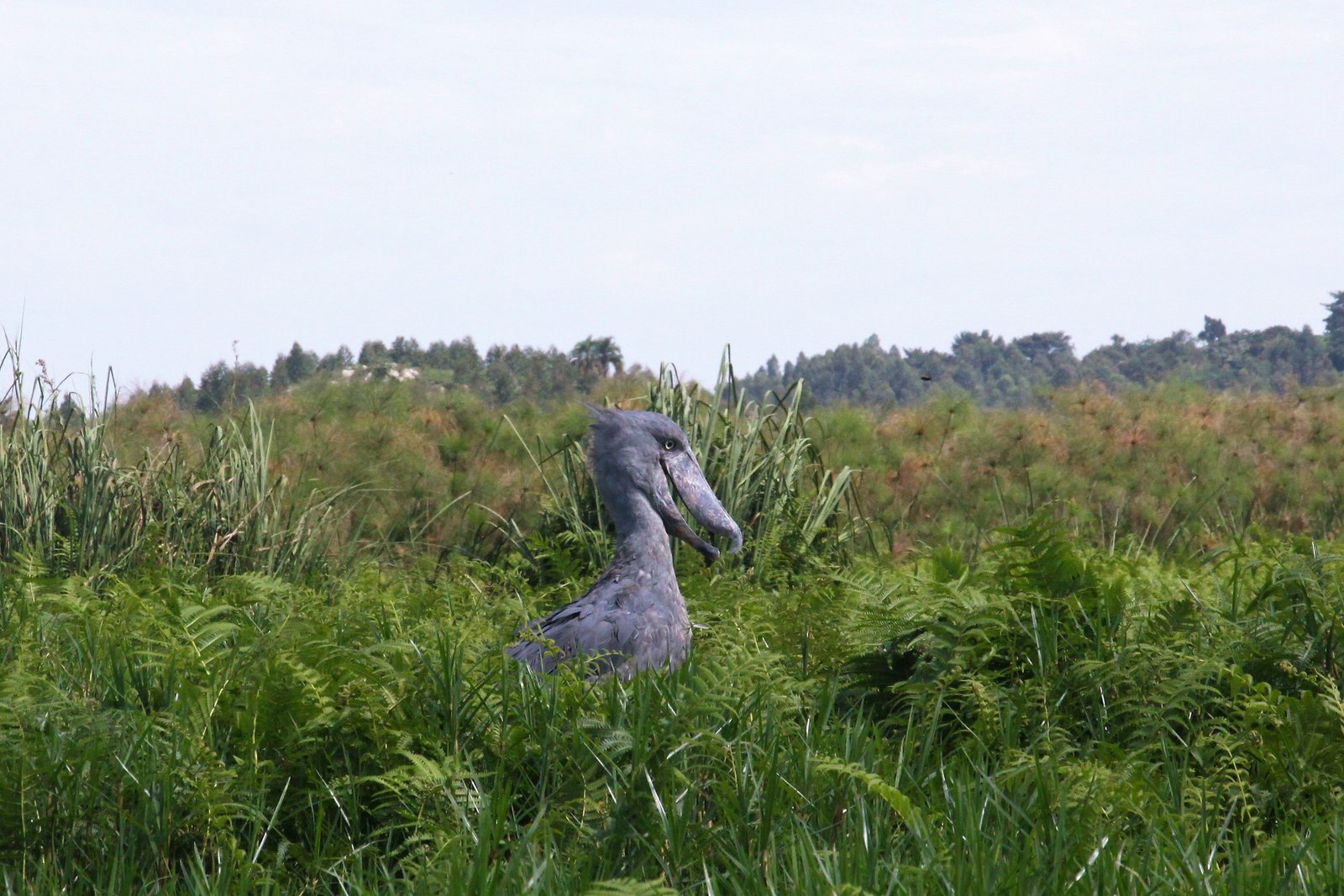
Standing in the vast Mabamba Swamp, I found myself eye-to-eye with a bird that looked as though it had stepped out of the Jurassic era. Towering and stoic, the Shoebill was impressive—but I still didn’t understand why birdwatchers placed it among the top five most sought-after birds in Africa. That was, until our local guide led us through an interpretive tour of the wetlands. By the time we were gliding back through the papyrus channels, I had joined the ranks of Shoebill enthusiasts—maybe even fanatics.
This is the Shoebill (Balaeniceps rex): a large, prehistoric-looking bird that thrives in freshwater marshes and swamps. Often called the "King of the Marshes," it commands attention with its sheer size and eerie stillness. I eagerly adjusted my camera, snapping away, but soon realized that no photo could capture the full gravity of the encounter. I told myself the memory would suffice—but, inevitably, I reached again for the camera.
The Shoebill: A Closer Look
Taxonomy
Once classified among the storks (order Ciconiiformes) due to similarities in appearance and behavior, the Shoebill has since been reclassified. Genetic studies have placed it within the order Pelecaniformes, making it a close relative of pelicans and herons.
Description
Shoebills are among the largest birds in Africa, standing between 110–140 cm tall and weighing 4–7 kg, with males generally larger than females. Their most distinctive feature is their enormous, shoe-shaped bill—light grey with darker splotches—used to catch and crush prey.
They have massive feet to match, with the middle toe measuring up to 18.5 cm. This adaptation allows them to walk on floating vegetation while hunting. Adults are predominantly slate-grey, while juveniles show a browner plumage. Their wingspan stretches from 230 to 260 cm.
In flight, Shoebills hold their wings flat and their necks retracted, similar to herons. Their flight is slow and deliberate, flapping at about 150 beats per minute—among the slowest wingbeat rates of any bird. They seldom fly far, usually no more than 100–500 meters when disturbed.
Behavior
Patience is the Shoebill’s greatest hunting tool. It can remain perfectly motionless for extended periods before launching a rapid, lethal strike. Their diet is largely composed of lungfish (Protopterus), though they also eat frogs, snakes, young crocodiles, and even waterfowl.
Shoebills are solitary and territorial, typically foraging alone and maintaining a distance of at least 20 meters from others. Nesting pairs are monogamous during a breeding season and share parenting responsibilities—shading, guarding, and feeding the chicks. Despite laying up to three eggs, they usually rear just one chick to maturity. Fledging occurs around 105 days, and the chick begins flying at roughly 112 days. Shoebills reach sexual maturity at around three years of age.
They are sensitive to changes in their environment, especially water levels. If a nesting site becomes unstable due to flooding or drying, it is often abandoned.
Habitat and Distribution
Shoebills are found in tropical East and Central Africa, particularly in large, undisturbed swamps. Their range includes South Sudan, western Ethiopia, the Democratic Republic of Congo, Rwanda, and northern Zambia. In Uganda, the most iconic populations reside in:
Mabamba Bay Wetland, a Ramsar site on the northern shores of Lake Victoria, about 50 km west of Kampala. It’s one of the most accessible places in the world to see Shoebills in the wild.
Murchison Falls National Park, especially in the delta area of the Nile.
Other wetlands such as Lake Albert, Lake Edward, and the Nile-Olweny wetlands.
These habitats are typically dominated by papyrus, sedges, and water lilies—ideal hunting grounds for Shoebills, especially due to the abundance of lungfish.
Final Thoughts
Whether you're a birding novice or a seasoned twitcher, an encounter with the Shoebill in Mabamba Swamp is unforgettable. It's more than just spotting a rare bird—it’s witnessing an ancient predator in its timeless, misty habitat. And just like that, the "King of the Marshes" will rule not only the swamp—but your memory as well.
Travel Tips: How to Plan Your Shoebill Excursion to Mabamba Swamp
Getting There Mabamba Swamp is located about an hour’s drive (and a short boat ride) from Entebbe or Kampala, making it a perfect half-day or full-day trip. Most visitors depart from Entebbe and reach the swamp via a scenic motorized canoe ride across Lake Victoria or by road to the village of Mabamba, followed by a local canoe tour through the swamp’s narrow channels.
Best Time to Visit The Shoebill can be seen year-round, but the best time for sightings is during the dry seasons—from December to February and June to August—when water levels are more stable and visibility is better. Early morning (6–10 AM) offers the highest chances of spotting Shoebills before the heat of the day sets in.
What to Bring
Binoculars – Essential for birdwatching and spotting other species in the swamp.
Camera with zoom lens – For capturing the Shoebill from a respectful distance.
Light rain jacket or poncho – The swamp can be misty or rainy, even during dry season.
Sun protection – Hat, sunglasses, and sunscreen are highly recommended.
Insect repellent – Particularly in the early morning and near the water.
Water and snacks – Especially for longer excursions.
Tour Options
Half-day tours (3–4 hours) are ideal for those on a tight schedule.
Full-day birding excursions can include other bird species such as papyrus gonolek, malachite kingfisher, African jacana, and pygmy goose.
Private guided tours often offer the most flexible and informative experience. Look for certified local guides who know the swamp well and can interpret both bird behavior and the ecosystem.
Responsible Tourism Tips
Keep a respectful distance from the Shoebill and avoid loud noises.
Stay seated in the canoe to minimize disturbance.
Support local conservation efforts by booking through eco-conscious operators who contribute to the preservation of Mabamba Wetland.
Article Link:
Author:
Sarah
Kalibbala
Category:
Destination
Status:
ACTIVE
Update article Information
Delete article
Confirm if you want to delete this article
3
Queen Elizabeth National Park
http//:
Sarah Kalibbala
Destination
24/May/2025
article Information
Title:
Queen Elizabeth National Park
Description:
Discover Queen Elizabeth National Park: Uganda’s Crown Jewel of Biodiversity
Nestled in the heart of western Uganda, Queen Elizabeth National Park is one of the country's most iconic and diverse protected areas. Covering an impressive 1,978 square kilometers, the park stretches from the foothills of the Rwenzori Mountains down to the shores of Lake Edward, spanning a stunning variety of landscapes that make it a haven for wildlife and nature lovers alike.
Originally established in 1952 as Kazinga National Park, it was renamed two years later in honor of Queen Elizabeth II’s historic visit to Uganda in 1954. Today, it stands as a symbol of Uganda’s commitment to conservation and ecotourism.
A Landscape of Diversity
From vast savannahs to tropical rainforests, sparkling crater lakes, and lush wetlands, Queen Elizabeth National Park supports an extraordinary range of ecosystems. This diversity provides a rich habitat for:
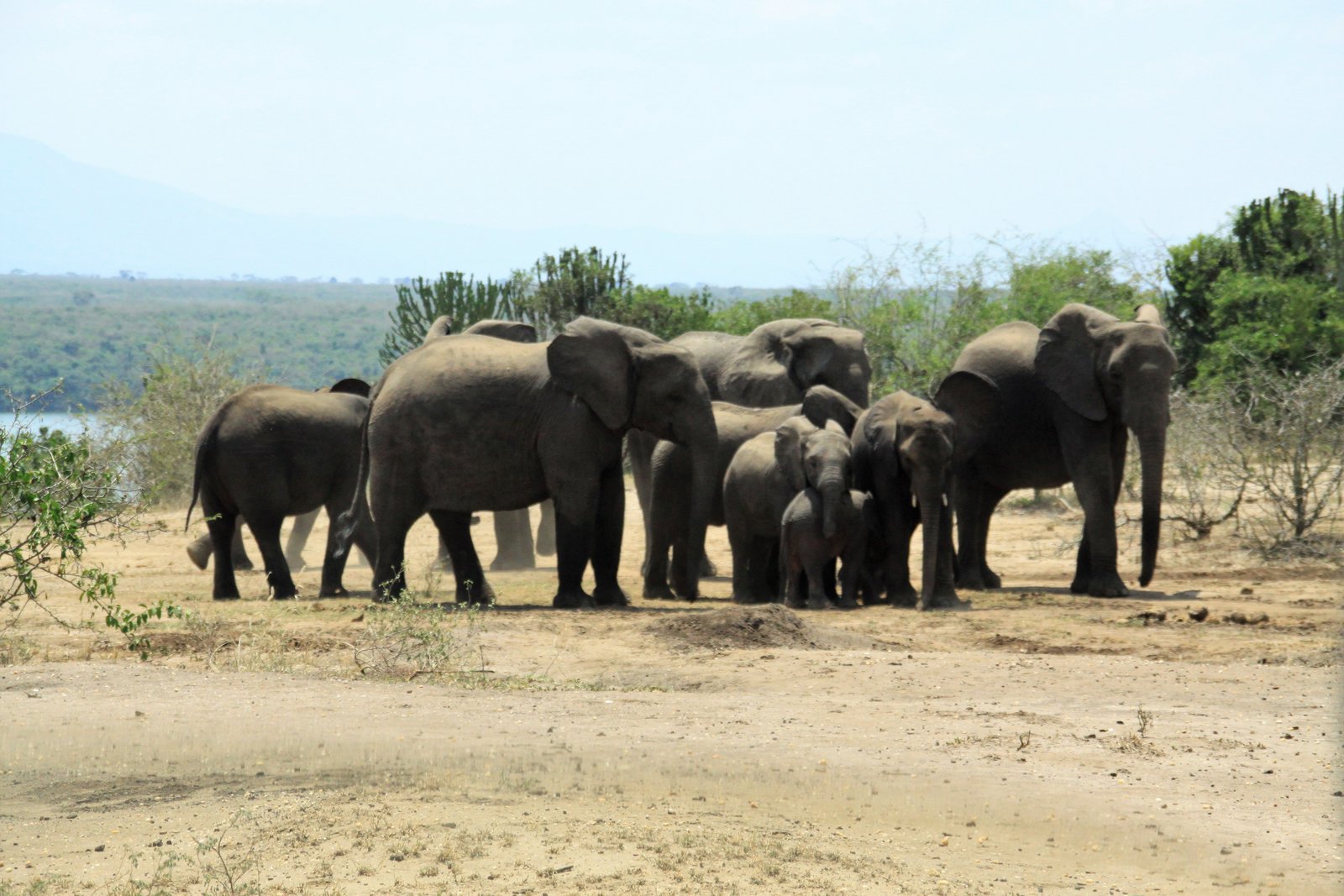
Big game such as elephants, buffaloes, lions, and leopards
Over 600 bird species, making it a birdwatcher’s paradise
Multiple primate species, including chimpanzees, red-tailed monkeys, blue monkeys, L’Hoest’s monkeys, bush babies, and pottos
The park’s highest point is found in the Katwe Crater region, which rises to 1,350 meters above sea level and offers dramatic views of the surrounding landscape.
Wildlife Encounters on Land and Water
Game drives in the Kasenyi Plains, the most popular area for wildlife viewing, are often fruitful with sightings of lions, Uganda kob, topi, elephants, and buffaloes. Drives are best done in the early morning or late afternoon and are typically conducted in open-roof safari vehicles guided by experienced driver-guides.
For a different perspective, take a boat cruise along the Kazinga Channel, which connects Lake Edward and Lake George. This is one of the best ways to see wildlife up close—hippos wallow in the water, elephants bathe along the banks, and hundreds of water birds, including kingfishers, pelicans, and African fish eagles, fill the air with color and sound. On a lucky day, you might even spot elephants swimming across the channel.
Chimpanzee Trekking in Kyambura Gorge and Kalinzu Forest
For primate lovers, Kyambura Gorge—often called the "Valley of Apes"—offers a unique chimpanzee trekking experience. This 100-meter-deep gorge is a lush, tropical forest cut into the savannah and is home to a small community of habituated chimpanzees. The descent into the gorge reveals a world of towering trees, colorful butterflies, exotic birds, and the soothing sound of the Kyambura River. While chimp sightings are not guaranteed here as they are in Kibale National Park, the overall experience is unforgettable.
Nearby, Kalinzu Forest Reserve offers a second chimp trekking option and is home to over 400 tree species, six primate species, and around 380 bird species. This forest provides a more immersive natural experience, with guided nature walks and birdwatching opportunities. Although there is no formal accommodation within Kalinzu, camping is available for adventurous travelers.
Maramagambo Forest: A Walk into Legend
Derived from a local legend in which lost hunters were rendered speechless from exhaustion, Maramagambo Forest translates to “the forest of silence.” This dense rainforest is located near Lake Kyasanduka and Lake Nyamasingiri and offers easy walking trails due to its minimal undergrowth. A highlight here is the Bat Cave, developed with the help of the CDC, where visitors can observe thousands of bats—and sometimes the resident pythons that prey on them—from a secure viewing platform.
The Ishasha Sector: Home of the Tree-Climbing Lions
To the south of the park lies the Ishasha Sector, world-renowned for its rare tree-climbing lions. Unlike other lion populations, these lions are known to lounge in the large fig and acacia trees—particularly during the heat of the day after a big meal. Spotting one of these majestic predators draped across a tree branch is an unforgettable sight and a photographer's dream.
Cultural and Scenic Highlights
A visit to Lake Katwe offers insight into traditional salt mining practices that have been passed down for generations. Although the methods are rudimentary, the lake continues to support local livelihoods and makes for a culturally enriching stop.
The crater lake circuit is another must-see, offering panoramic views of volcanic lakes scattered across green rolling hills. These scenic spots are ideal for photography and peaceful reflection.
Why Visit Queen Elizabeth National Park?
Whether you're a wildlife enthusiast, a birder, a photographer, or simply seeking a memorable African safari experience, Queen Elizabeth National Park has something for everyone. Its rich biodiversity, scenic beauty, and unique activities make it a must-visit destination on any Uganda safari itinerary.
Article Link:
http//:
Author:
Sarah
Kalibbala
Category:
Destination
Status:
ACTIVE
Update article Information
Delete article
Confirm if you want to delete this article
4
Kidepo Valley National Park
http//:
Sarah Kalibbala
Destination
26/May/2025
article Information
Title:
Kidepo Valley National Park
Description:
Kidepo Valley National Park
Escape the ordinary and venture into the untamed beauty of Kidepo Valley National Park, one of Africa’s most remote and breathtaking safari destinations. Located in northeastern Uganda, where the country borders South Sudan and Kenya, Kidepo offers an unmatched wilderness experience filled with raw landscapes, rich wildlife, and authentic culture.
Getting There
You can reach Kidepo in two exciting ways:
By Air: A scenic flight from Entebbe International Airport takes you over Uganda’s diverse terrain—lush forests, farmlands, and rolling savannahs—before landing near the park.
By Road: For a more immersive journey, travel by road through Gulu and Kitgum. Though longer, the road trip offers a deep dive into Uganda’s countryside, small towns, and cultural experiences.
Uganda’s Hidden Gem
Often referred to as Uganda’s hidden gem, Kidepo is far removed from the country’s more frequented parks, offering a peaceful, crowd-free safari. Its rugged terrain of golden grasslands and dramatic hills provides sanctuary to a vast range of wildlife.
Established: 1958
Size: 1,442 km² (3rd largest national park in Uganda)
Wildlife: 77 mammal species, including 20 predators such as lions, leopards, and spotted hyenas
A Birdwatcher’s Paradise
Kidepo is home to nearly 480 bird species, making it one of Uganda’s richest birding destinations. It hosts:
56 species of raptors including the Bateleur and Tawny Eagle
Birds unique to the region such as the Kori Bustard, Ostrich, and Abyssinian Roller
What to Do in Kidepo
To truly experience Kidepo’s magic, a minimum of three days is recommended. Activities include:
Game Drives across the open plains of the Narus and Kidepo Valleys
Bird Watching
Nature Walks guided by local rangers
Cultural Visits to nearby communities like the IK and Karamojong, offering deep insight into indigenous traditions and lifestyles
Where to Stay
From luxurious lodges to comfortable camps, Kidepo has something for every traveler:
Apoka Safari Lodge
High-end luxury with 10 spacious rooms
Private verandas overlooking the savannah
Outdoor stone bathtubs under the stars
Natural rock swimming pool
Rustic elegance with handcrafted furniture and soft linen
Kidepo Savannah Lodge
Located near Kalokudo Gate
8 luxury tents with en-suite bathrooms
9 non-en-suite tents for budget travelers
Eco-friendly design and stunning views
Apoka Rest Camp
Managed by Uganda Wildlife Authority
14 bandas and 16 chalets (non-en-suite)
Budget-friendly and great for backpackers
Nga’Moru Wilderness Camp
Mid-range and budget accommodation
Located on the park’s northern boundary
Overlooks Narus Valley, known for dense wildlife
Peaceful and scenic setting
Kara-Tunga Safari Camp
Located in Moroto, ideal for cultural excursions
Offers various room types for mid-range and budget guests
Fully solar-powered for sustainable travel
Why Visit Kidepo?
Kidepo is not just a safari—it’s a journey into Africa’s wild soul. Whether it’s watching wildlife from your veranda, soaking in a starry bath, or learning from age-old tribes, Kidepo Valley National Park offers an unforgettable, authentic experience in one of Uganda’s last true wilderness areas.
Let us take you there. Your next adventure starts in Kidepo.